



For instance, individuals who invest in real estate can earn rental income that contributes to their gross income. Similarly, dividends from stocks or interest from savings accounts can also be included, providing a more comprehensive view of one’s financial standing. This broader understanding is particularly important for those looking to make informed decisions about investments or savings strategies. Gross income is the total amount of money earned before any deductions are made.
Gross vs Net

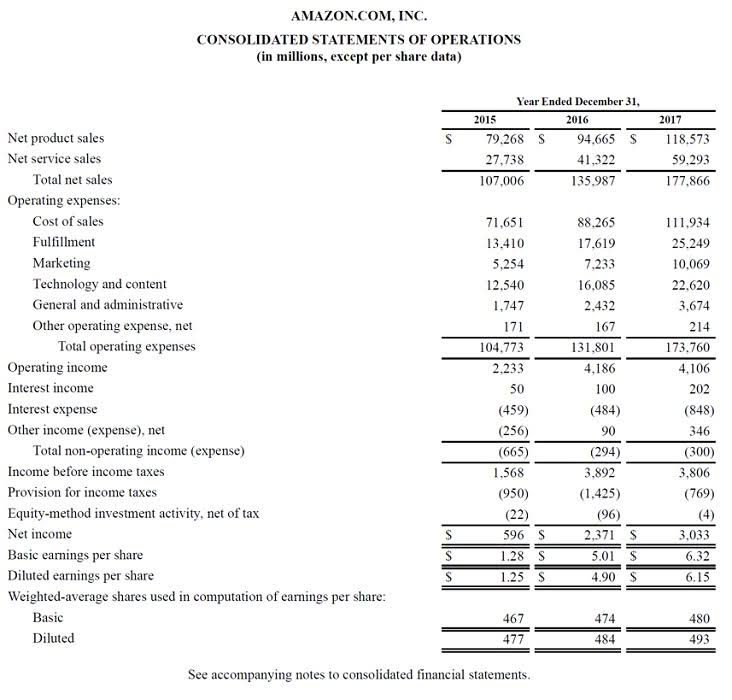
It is also important to stay up to date on changes to tax laws and regulations that may affect your bottom line. After accounting for taxes and other deductions, the remaining money from an individual’s paycheck is referred to as their net income or take-home salary. In other words, net income is the income that an individual is left with after all deductions have been made from their gross income. Companies should have a system in place to monitor these expenses, track changes over time, and levy appropriate cost controls. By keeping a close eye on expenses, a company can better understand its financial standing, identify opportunities for cost savings, and improve overall profitability. Financial statements, such as the income statement, provide an overview of a company’s expenses and can help identify trends or potential issues.
Why does knowing the difference between gross vs. net income matter?
Get $30 off a tax consultation with a licensed CPA or EA, and we’ll be sure to provide you with a robust, bespoke answer to whatever tax problems you may have. If you skip this step, your profit and loss statement won’t match reality, and the IRS may come knocking if your numbers don’t add up. This $220,000 shows how much your business generates from core activities before tackling overhead. Led by editor-in-chief, Stephanie Johnson, we take great pride in the quality of our content. Our writers create original, accurate, engaging content that is free of ethical concerns or conflicts.
Deductions from Gross to Net
- For example, it is possible (but not common) for a business’s gross income and net income to be the same number if the only cost of doing business is the cost of making the product sold.
- Investors, lenders, and analysts often focus on net income and net profit margin when evaluating a company’s financial viability.
- For example, a person earns wages of $1,000, and $300 in deductions are taken from his paycheck.
- If those expenses increase faster than revenue, profits could remain flat or even decrease despite higher gross revenue.
With features like automatic mileage https://www.bookstime.com/articles/bookkeeper-vs-accountant tracking and expense management, it simplifies the process of calculating both gross and net income. When it comes to investing, knowing your net income helps you understand how much you can afford to invest without compromising your financial stability. Whether you choose stocks, bonds, or mutual funds, having a clear picture of your net income allows you to make informed decisions.
Tax tools

The IRS allows businesses to use methods like the Modified Accelerated Cost Recovery System (MACRS) to write off asset values at different rates, affecting financial statements and tax liabilities. Small business owners, in particular, benefit from monitoring both figures. Gross income indicates whether products or services gross vs net are being priced and produced efficiently.
Business Insurance

For businesses, net income is a definitive measure of success and profitability. It influences decisions on reinvestment, cost-cutting, and financial forecasting. Investors, lenders, and analysts often focus on net income and net profit margin when evaluating a company’s financial viability. Net income typically means the amount of income left over after you pay your income tax or get a tax refund. Net income also includes refundable tax credits such as the Earned Income Credit (EIC), the refundable portion of the Child Tax Credit, or the American Opportunity retained earnings Tax Credit. Your net income is the amount of money that you actually take home and can use for expenses such as rent, bills, and savings.


